
Addressing Dyslexia in Online Mathematics Teaching Strategies and Best Practices

Teaching mathematics online presents unique challenges, especially when working with students who have dyslexia. Dyslexia affects reading, writing, and sometimes processing speed, which can make understanding math problems and instructions difficult. Yet, with thoughtful strategies, educators can create an inclusive online learning environment that supports these students effectively. This post explores practical ways to address dyslexia in online math teaching, helping educators build confidence and improve learning outcomes.
Understanding Dyslexia’s Impact on Math Learning
Dyslexia Guide
Dyslexia is often linked to difficulties with language, but it also affects how students process numbers and symbols. Common challenges include:
Confusing similar-looking numbers (e.g., 6 and 9)
Difficulty following multi-step instructions
Struggling with word problems due to reading challenges
Trouble organizing work on paper or screen
Recognising these difficulties helps teachers tailor their approach. For example, a student might understand a math concept but get stuck reading the problem or writing the answer clearly.
Creating Dyslexia-Friendly Math Materials
Online teaching allows for customization of materials, which can make a big difference for students with dyslexia. Consider these tips:
Use clear, sans-serif fonts like Arial or Verdana, which are easier to read.
Increase line spacing and add extra space between problems to reduce visual clutter.
Present math problems in small chunks rather than long paragraphs.
Use color coding to differentiate steps or parts of a problem.
Provide audio support by recording instructions or explanations.
For example, instead of a long word problem, break it into numbered steps with a short audio clip explaining each part. This approach reduces cognitive load and helps students focus on one piece at a time.
Leveraging Technology Tools
Several online tools can support students with dyslexia in math:
Text-to-speech software reads problems aloud, helping students who struggle with reading.
Speech-to-text tools allow students to dictate answers or explanations.
Interactive math apps with visual aids and immediate feedback can reinforce learning.
Screen readers and dyslexia-friendly browsers improve accessibility.
Teachers should introduce these tools early and provide guidance on how to use them effectively. Encouraging students to experiment with different options helps them find what works best.
Adapting Teaching Methods for Online Math
Effective online teaching for students with dyslexia involves clear communication and flexible pacing:
Use simple, direct language in instructions.
Repeat key points and check for understanding regularly.
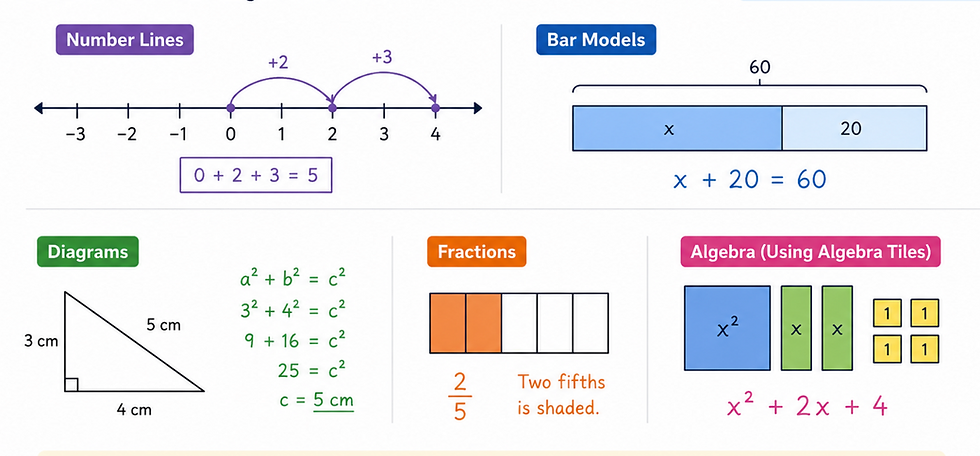
Incorporate visual aids such as diagrams, number lines, and charts.
Allow extra time for assignments and assessments.
Break lessons into shorter segments to maintain focus.
For example, a teacher might present a concept using a short video, followed by a visual summary and a practice quiz with immediate feedback. This multi-sensory approach supports different learning styles and reinforces understanding.
Encouraging Student Engagement and Confidence
Students with dyslexia often face frustration and low confidence in math. Online teaching can help by:
Creating a supportive environment where mistakes are part of learning.
Offering positive feedback focused on effort and progress.
Encouraging peer collaboration through breakout rooms or discussion boards.
Setting small, achievable goals to build success gradually.
For instance, a teacher might assign group problem-solving tasks where students explain their thinking aloud. This practice helps build communication skills and reduces isolation.
Supporting Parents and Caregivers
Parents and caregivers play a crucial role in supporting students with dyslexia, especially in online learning. Teachers can:
Share resources and strategies for home support.
Communicate regularly about progress and challenges.
Provide guidance on using technology tools.
Suggest routines that balance screen time with offline practice.
Clear communication helps families feel involved and equipped to assist their children.
Final Thoughts on Teaching Math to Students with Dyslexia Online
Supporting students with dyslexia in online maths lessons requires patience, creativity and a willingness to adapt teaching to the individual learner. By using clear explanations, visual representations, assistive technology and structured teaching approaches, barriers can be reduced and confidence can grow.
The key is to build on each student's strengths and provide multiple ways for them to access mathematical ideas and demonstrate their understanding.
As an online maths tutor, I tailor every lesson to the individual needs of the student. Whether that means using colour coding, breaking concepts into smaller steps, incorporating visual models, or adapting resources to reduce cognitive load, my goal is to make maths feel accessible and achievable.
Every student learns differently, and finding the right approach can make all the difference.
If you are looking for personalised support for a student with dyslexia or other SEND needs, I offer a free one-to-one introductory call to discuss your child's learning needs, challenges and goals, and to explore how tailored online tuition can help them build confidence and succeed in mathematics.
Book your free introductory call today to find out how personalised support can make maths a more positive and rewarding experience.
This content is for informational purposes only and does not replace professional educational advice.


Comments